Loading... Please wait...

Categories
Our Newsletter
- Home
- Dogs' Health Care
-250__59398.jpg)

Dogs' Health Care
Dog Care Products Guide 2026 | Complete Grooming, Oral, Coat, Nail & Home Care Guide | A-Pets
Dog Care Products Guide 2026 | Complete Grooming, Oral, Coat, Nail & Home Care for Dogs
For Hong Kong dog owners, dogs are no longer just "guard dogs" or "running companions" but true family members, making dog care products more important than ever. Daily essentials range from brushes, shampoos, ear cleaners and nail clippers to paw balms, pee pads, environmental cleaners, flea treatments and oral care products. Without careful selection, it is easy to buy products unsuitable for your dog's skin type, body size or lifestyle, or even products that pose safety risks.
This 2026 complete dog care products guide is organised by real-life care scenarios: coat care, skin and bathing, eye and ear care, oral care, nail and paw care, toilet training and home cleaning, flea and parasite control, plus travel and home safety. Each section explains product purposes, buying tips and practical usage techniques, making it suitable for SEO long-form content, category pages, brand guides and educational materials.
1. Coat Care Products: Brushes, De-Shedding Tools and Coat Conditioners
Whether your dog is long-haired, short-haired, single-coated or double-coated, regular brushing is one of the most fundamental forms of care. Proper brushing reduces tangles, shedding and skin issues while also providing an opportunity to check for redness, parasites or unusual lumps.
1.1 Types of Brushes and Suitable Breeds
- Slicker brush: Dense fine metal pins, some with rubber tips, ideal for medium to long-haired or double-coated breeds such as Pomeranians, Shiba Inus, Corgis and Border Collies. Removes loose undercoat and minor tangles.
- Pin comb / metal comb: Long metal teeth with wide and fine sides, suitable for long-haired or fluffy breeds like Poodles and Old English Sheepdogs, working from the undercoat outward.
- Rubber grooming glove / short-hair brush: Soft rubber nubs ideal for short-haired breeds such as Pugs, French Bulldogs and Beagles, combining brushing with a gentle massage to remove dead hair and dander.
- Detangling comb / thinning comb: For long-haired, tangle-prone breeds like Maltese and Yorkshire Terriers, often used alongside trimming.
Buying tips:
- Match pin length and density to your dog's coat type; pins that are too stiff can scratch the skin, while pins that are too soft cannot reach the undercoat.
- Look for ergonomic handles to reduce hand fatigue during longer grooming sessions.
- For dogs with sensitive skin, start with rubber brushes or tipped slicker brushes and observe reactions.
1.2 De-Shedding Tools and Undercoat Rakes
Double-coated dogs shed large amounts of undercoat during shedding seasons, leaving fur everywhere. Proper use of undercoat rakes or de-shedding tools helps remove excess dead undercoat and reduces matting and trapped heat against the skin.
- Always work in the direction of hair growth with light strokes; avoid pressing hard into the skin.
- Once or twice per week during heavy shedding is usually sufficient; daily aggressive de-shedding can damage healthy coat and skin.
- If your dog has skin disease, redness or obvious discomfort, stop using de-shedding tools and address the skin issue first.
1.3 Coat Sprays and Conditioning Products
Some products claim to "prevent tangles", "reduce static" or "add shine", particularly targeting long-haired and show dogs.
- For long-coated dogs, a light detangling spray can make brushing easier and reduce pulling on hair follicles.
- Check ingredients and avoid high alcohol content, heavy silicones or strong fragrances that can burden the skin.
- Always patch-test on a small area first and watch for redness, itching or other sensitivity reactions.
2. Skin and Bathing Products: Shampoos, Conditioners and Waterless Cleaners
Hong Kong's humid climate combined with air-conditioned indoor environments makes skin problems common in dogs. Bathing too often destroys the natural skin barrier, while bathing too rarely allows dirt and oil to accumulate. The right dog shampoos, conditioners and waterless products are key.
2.1 Dog Shampoos
- Use only dog-specific or pet-specific shampoo: Human shampoos have different pH levels and surfactants that can irritate a dog's skin or cause gastrointestinal upset if ingested during grooming.
- Choose by skin condition:
- General cleansing: For healthy skin; bathing every 3–4 weeks is usually enough.
- Sensitive skin / puppy formulas: Gentle, tear-free, low fragrance and fewer preservatives.
- Medicated shampoos: For fungal, mite or allergy-related conditions; use only under veterinary guidance.
- Always rinse thoroughly to prevent residue that can cause itching or dermatitis.
2.2 Conditioners and Coat Treatments
- Long-haired or dry-coated dogs can benefit from conditioners to reduce static and tangles.
- Follow product instructions for contact time, then rinse completely with clean water.
- Avoid overly rich products on oily-skinned dogs to prevent clogged pores.
2.3 Waterless Shampoos and Dry Shampoos
For water-averse dogs, seniors, post-surgery recovery or situations where full baths are inconvenient, waterless shampoos or dry shampoos offer a quick cleaning option.
- They mainly reduce light odour and surface oil and cannot fully replace proper bathing.
- Avoid spraying near eyes, mouth or ears, and use a towel or brush afterwards to remove excess product.
- Choose low-fragrance, low-irritant formulas.
3. Eye and Ear Care Products: Eye Cleaners, Tear Stain Care and Ear Cleaners
Many small breeds (e.g. Maltese, Poodles, Pomeranians) are prone to tear staining, while drop-eared breeds (e.g. Basset Hounds, Cocker Spaniels, long-haired mixes) easily accumulate ear wax or develop ear infections. Suitable eye and ear care products help with daily maintenance and reduce discomfort.
3.1 Eye Cleansing Solutions and Eye Wipes
- Choose pet-specific eye cleaning solutions that are gentle and non-irritating.
- Uses include:
- Removing discharge and crusts from the corners of the eyes.
- Reducing bacterial growth in tear-stained fur.
- Use a separate cotton pad or gauze for each eye, wiping from inner corner outward in one direction.
3.2 Tear Stain Care Products
- Tear stain powders and wipes can help clean and lighten staining, but effectiveness depends on breed, eye structure and tear duct condition.
- If staining suddenly worsens, develops odour or is accompanied by redness and itching, seek veterinary attention to rule out infection or allergies.
3.3 Dog Ear Cleaners and Ear Hygiene Products
- Ear cleaners may soften wax, dry the ear canal or provide antibacterial/antifungal action depending on the formula.
- Healthy dogs typically need ear cleaning every 2–4 weeks; dogs that swim or have oily ear canals may need more frequent checks.
- Never use alcohol, hydrogen peroxide or human cotton buds deep in the ear canal to avoid irritation or injury.
4. Oral Care Products: Toothbrushes, Toothpaste, Oral Sprays and Dental Treats
Dog bad breath, tartar and periodontal disease affect more than just the mouth; they increase risk to the heart, kidneys and immune system and can shorten lifespan. Oral care products are therefore a worthwhile investment.
4.1 Dog Toothbrushes and Finger Brushes
- Finger brushes: Soft silicone that fits over your finger, giving beginners better control, ideal for small dogs.
- Long-handled toothbrushes: Single or double-headed designs for medium to large dogs or dogs already used to brushing.
- Bristles should be soft and the head small to avoid injuring gums.
4.2 Dog Toothpaste
- Use only dog-specific or pet-specific toothpaste; human toothpaste contains fluoride, foaming agents and sometimes xylitol, which are harmful if swallowed.
- Common flavours include chicken, beef and peanut butter to improve acceptance.
- Formulas help reduce plaque and tartar build-up, working best alongside the mechanical action of brushing.
4.3 Oral Sprays, Gels and Water Additives
- Useful for dogs not yet fully accepting toothbrushing, serving as transitional or supportive options.
- Sprays and gels are applied directly along the gum line; water additives are mixed into drinking water at specified doses.
- Less effective than brushing but still beneficial when used consistently over time.
4.4 Dental Treats, Dental Chews and Dental Toys
- Chewing increases mechanical abrasion on teeth and helps scrape away some plaque and soft tartar.
- Cannot fully replace brushing or professional cleaning; should be used as a supplementary measure.
- When choosing:
- Size should match your dog's mouth to prevent biting off large chunks and choking or blocking the digestive tract.
- Avoid products with excessive fat, starch or salt.
5. Nail and Paw Care Products: Clippers, Styptic Powder and Paw Balms
Indoor dogs with limited activity often develop overly long nails that click on the floor or even curl into the paw pad. Hong Kong's rough pavements and humid climate can also cause cracked or injured paw pads.
5.1 Dog Nail Clippers
- Scissor-style clippers: Shaped like small scissors, suitable for small to medium dogs, making it easier to see exactly where you are cutting.
- Guillotine-style / plier-style clippers: For medium to large dogs, providing more leverage for thicker nails.
- Electric nail grinders: Use a rotating file to slowly grind down nails; lower risk of cutting too short at once, but noise and vibration require gradual desensitisation.
5.2 Styptic Powder and Basic First Aid
- Keep pet styptic powder at home in case you accidentally cut into the quick; apply immediately to stop bleeding.
- Without styptic, press clean gauze firmly for several minutes; if heavy bleeding continues, seek veterinary help.
5.3 Paw Balms and Paw Wax
- Ideal for dogs frequently walking on asphalt, hiking trails, beaches or in damp environments; helps protect paw pads from cracking and cuts.
- After applying, wait a moment before letting your dog walk to prevent immediate licking or slipping.
- Also very useful for trips to cold or snowy regions.
6. Toilet Training and Home Cleaning Products: Pee Pads, Dog Litter, Cleaners and Deodorisers
While most dogs toilet outdoors, many Hong Kong owners train their dogs to use indoor pee pads or dog litter, making toilet areas and cleaning supplies very important.
6.1 Pee Pads, Dog Litter and Indoor Toilet Trays
- Pee pads: Absorbency, odour control and leak-proof design are key factors; suitable for puppy training, small breeds or bad weather days.
- Dog litter / cat litter trays: Some small dogs can use cat-style litter trays; choose models with appropriate edge height for easy entry.
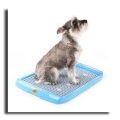
- Indoor toilet trays: Trays with grid designs keep paws off urine, providing a drier surface.
6.2 Cleaners, Deodorisers and Disinfectants
- Prioritise pet-safe formula cleaners without ammonia, strong acids, caustics or high-concentration bleach.
- For urine, faeces and vomit, enzyme-based cleaners are ideal as they break down odour molecules rather than just masking them.
- When disinfecting indoors, ensure good ventilation and keep pets out of enclosed spaces to avoid inhaling fumes.
6.3 Lint Rollers, Fur Removal Gloves and Pet Vacuums
- Beyond brushing, fur on clothes, sofas and bedding can be tackled with lint rollers or reusable fur removal brushes.
- Consider a vacuum cleaner with pet-specific attachments to regularly remove hair and dander, which also helps household members with allergies.
7. Flea, Parasite and Medical-Related Care Products
Even dogs that stay mostly indoors can encounter parasites brought in on shoes, clothes, elevator floors, hallways or insects, so flea and parasite control is a necessary topic for urban dogs as well.
7.1 Flea Spot-Ons, Oral Medications, Collars and Sprays
- Topical spot-ons: Applied to the skin at the back of the neck based on body weight, typically monthly, to prevent fleas, ticks and more.
- Oral flea medications: Some products kill external parasites quickly; always follow veterinary instructions.
- Flea collars: Release active ingredients slowly over time; check safety data and ensure your dog tolerates wearing a collar.
- Environmental sprays: Target eggs and larvae in carpets and crevices; ensure your dog leaves the area during application and only returns after the product has dried completely.
7.2 Internal Parasite Control and Storage
- Intestinal deworming and heartworm prevention schedules should be based on weight, age and lifestyle, arranged by your vet.
- Store all medications in a cool, dry place out of reach of children and pets to prevent accidental ingestion.
7.3 Basic First-Aid Kit and Home Care Supplies
- Prepare a simple first-aid kit: gauze, elastic bandages, pet-safe antiseptic, styptic powder and a digital thermometer.
- Dogs with chronic conditions (e.g. diabetes, heart disease) may require emergency medications and clear written instructions provided by the vet.
8. Travel and Home Safety: Harnesses, Leashes, Car Restraints and Home Protection
Safe travel gear and thoughtful home design are also part of "care": preventing accidents, escapes and falls is one of the biggest protections you can provide.
8.1 Harnesses, Collars and Leashes
- Harnesses: Y-type, H-type and vest-style options distribute force evenly and reduce pressure on the cervical spine, suitable for most dogs.
- Collars: Best used for ID tags or brief wear; not recommended for constant pulling pressure on the neck.
- Leashes: Fixed-length leashes offer better control than retractable leads and are generally safer in urban environments.
8.2 Car Safety Belts, Carriers and Portable Fences
- Car safety belts / safety harnesses: Prevent dogs from being thrown forward during sudden braking or ejected from the vehicle.
- Carriers and strollers: Suitable for small dogs, seniors or dogs with limited mobility, reducing joint strain.
- Portable fences / playpens: Useful indoors or during outdoor picnics to define a safe boundary.
8.3 Home Safety Accessories and Layout
- Non-slip mats: Place on slippery tiles or stair areas to reduce slipping risks for senior dogs or large breeds.
- Safety gates: Block access to dangerous areas such as kitchens, balconies and staircases.
- Cable management and bin lids: Prevent chewing on electrical cords and rummaging through rubbish to swallow foreign objects.
9. Dog Care Products Q&A
Q1: How often should a dog be bathed?
It depends on breed, activity level and skin condition. Indoor dogs generally need a bath every 3–4 weeks; dogs that frequently play in mud, sand or water may need more. If you notice dry skin, excessive flaking or itching, consult a vet before increasing bath frequency.
Q2: Can I use human shampoo or body wash to bathe my dog?
Not recommended. Human products have different pH levels and formulations not designed for dogs; residue may be licked and ingested, increasing risk. Always choose shampoos and conditioners specifically formulated for dogs or pets.
Q3: Do dogs really need toothbrushing? Every day?
Ideally once daily; if that is not yet possible, several times per week is still far better than none at all. Dry food and dental treats alone are not enough to prevent periodontal disease, which can lead to tooth loss, bad breath and even systemic health problems.
Q4: Should flea and parasite products be used year-round?
Hong Kong is warm and humid throughout the year, so fleas, ticks and mosquitoes breed almost continuously. Most vets recommend year-round prevention rather than only during summer. Specific products and intervals should follow veterinary advice.
Q5: Does buying lots of care products mean I love my dog more?
Not necessarily. What matters is whether products suit your individual dog and whether you use them correctly. Too many unnecessary or harsh products can increase skin, respiratory and psychological stress. A focused, well-chosen set that prioritises quality over quantity is ideal.
Q6: What care products should first-time dog owners prepare first?
Generally essential items include: a suitable brush, dog shampoo, ear cleaner, nail clippers, basic first-aid kit, pee pads or designated toilet supplies, basic cleaning and disinfecting products, flea and parasite prevention, plus a harness and leash. Oral care products, paw balm and functional care items can be added based on actual needs.
10. Building a Sustainable Dog Care Routine
All dog care products are ultimately just tools. What truly matters is the patience and consistent rhythm you bring to building a care routine with your dog. A few minutes of daily brushing, weekly ear checks, regular toothbrushing, monthly body inspections and scheduled flea and parasite control together form a complete health management system.
As a dog owner or pet-shop / online-store operator, following three principles — choose products specifically designed for dogs, understand the real purpose and limits of each category, and adapt usage to your dog's age, weight, activity level and health status — allows you to design a personalised care combination for every customer and every dog. Over the long term, this content can also become high-value, high-conversion evergreen material on your website, forming internal links with your "Cat Care Products" page to build a comprehensive pet care knowledge hub [conversation_history:1].